Urban Politics and Policy
Publications
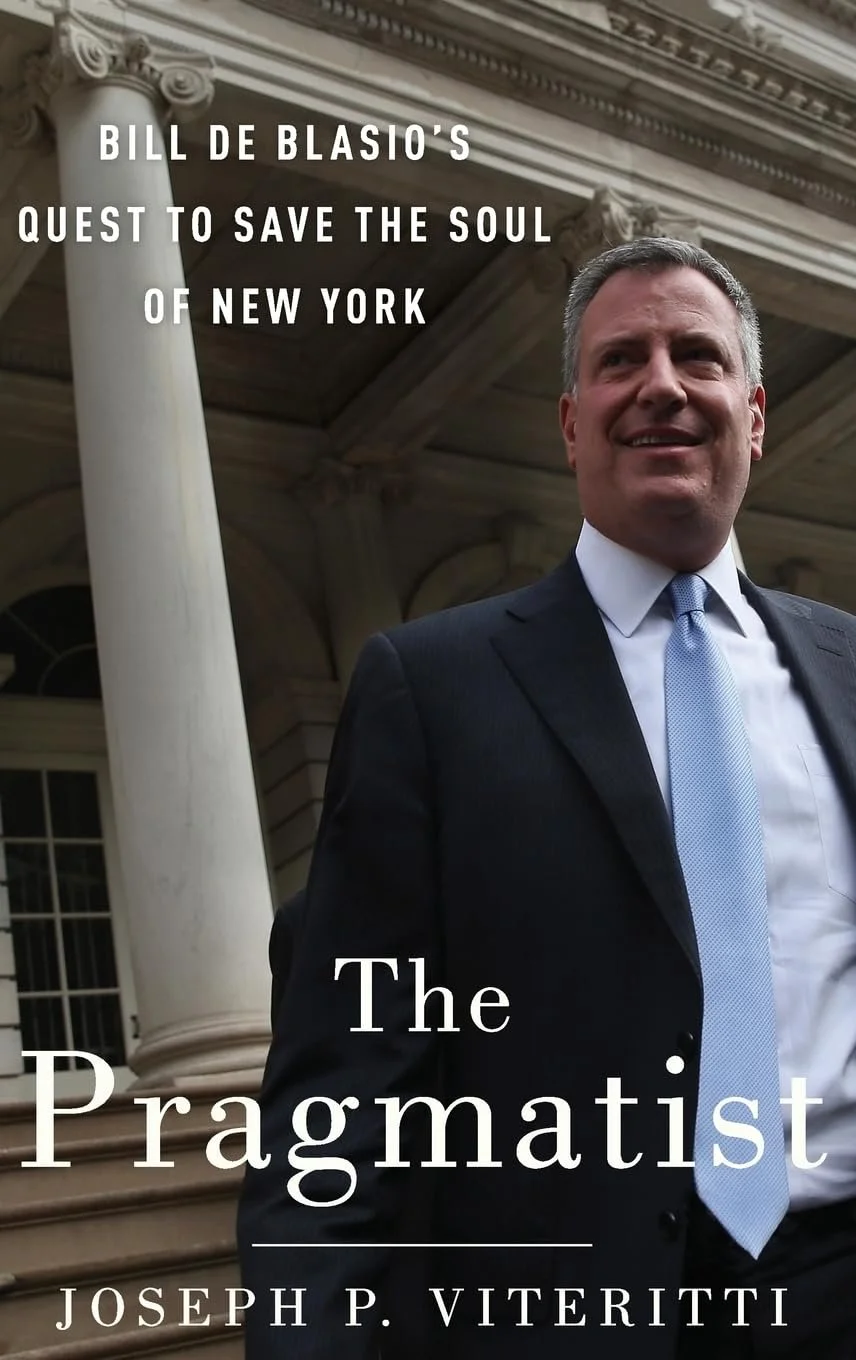
When Michael Bloomberg handed over the city to Bill de Blasio, New York and the country were experiencing record levels of income inequality. De Blasio was the first progressive elected to City Hall in twenty years. Invoking Fiorello La Guardia's name, he pledged to improve the lives of those marginalized by poverty and prejudice. Unlike La Guardia, de Blasio did not have allies in Washington like President Franklin D. Roosevelt who could effectively support his progressive agenda.
As de Blasio approached the end of his first term, the situation worsened, with Donald Trump in the White House and a Republican-controlled Congress determined to further reduce social programs that help the needy. As a result, de Blasio's mayoralty is an illuminating case study of what mayors can and cannot do on their own to address economic and social inequality. As the Democratic Party attempts to reassemble a viable political coalition that cuts across boundaries of race, class and gender, de Blasio's efforts to redefine priorities in America's largest city is instructive.
Joseph P. Viteritti's The Pragmatist is the first in-depth look at de Blasio-both the man himself and his policies in crucial areas such as housing, homelessness, education, and criminal justice. It is a test case for the viability of progressivism itself. Along the way, Viteritti introduces the reader to every NYC mayor since La Guardia. He covers progressives who breathed life into the "soul of the city" before the devastating fiscal crisis of 1975 put it on the brink of bankruptcy, and those post-fiscal crisis chief executives who served during times of limiting austerity. This engaging story of the rise, fall, and rebirth of progressivism in America's major urban center demonstrates that the road to progress has been a long-and continuing-journey.
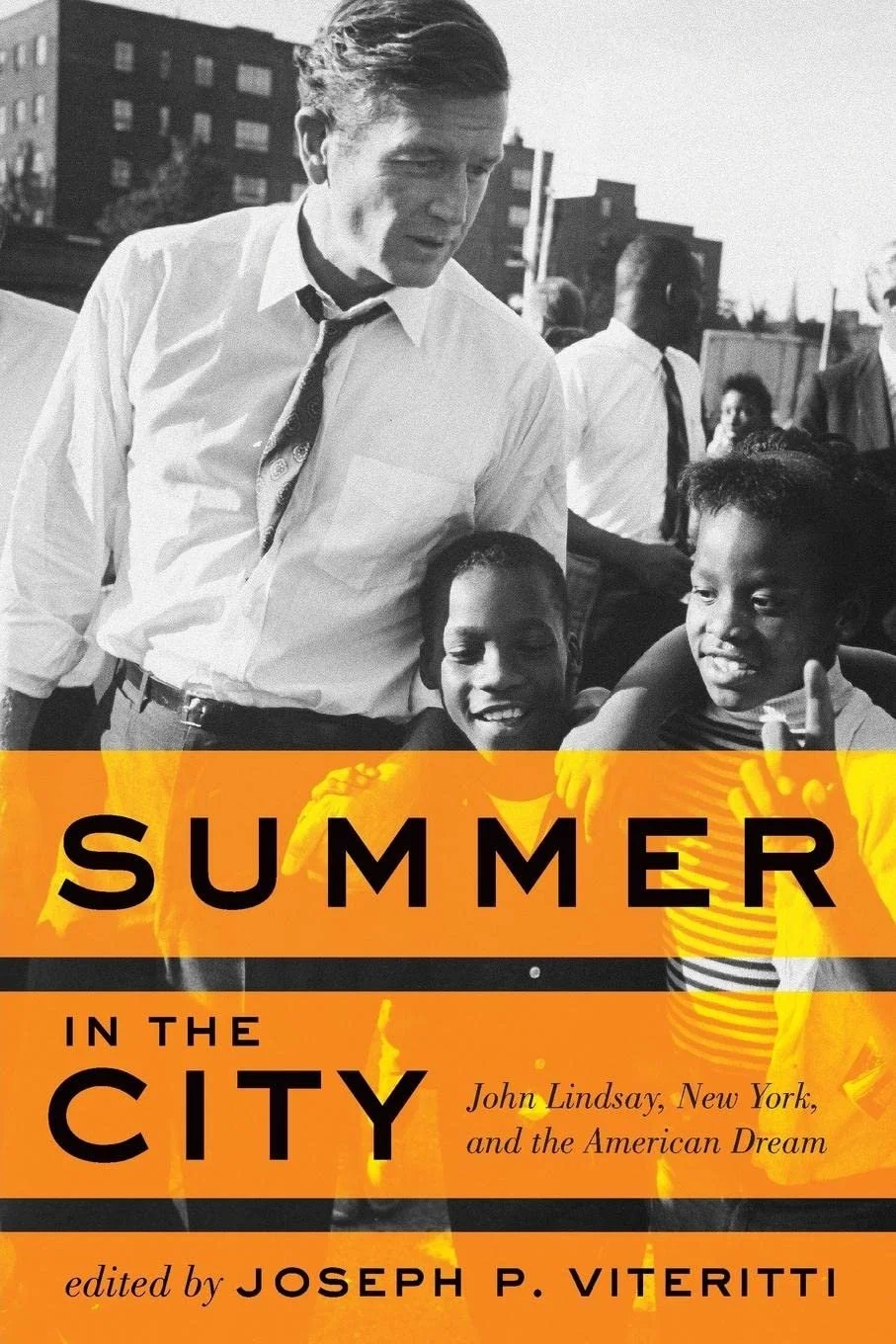
The history, policies, and legacy of John Lindsay, mayor of New York City from 1966 to 1973.
Summer in the City takes a clear look at John Lindsay’s tenure as mayor of New York City during the tumultuous 1960s, when President Lyndon Johnson launched his ambitious Great Society Program. Providing an even-handed reassessment of Lindsay’s legacy and the policies of the period, the essays in this volume skillfully dissect his kaleidoscope of progressive ideas and approach to leadership—all set in a perfect storm of huge demographic changes, growing fiscal stress, and an unprecedented commitment by the federal government to attain a more equal society. Compelling archival photos and a timeline give readers a window into the mythic 1960s, a period animated by civil rights marches, demands for black power, antiwar demonstrations, and a heroic intergovernmental effort to redistribute national resources more evenly.
Written by prize-winning authors and leading scholars, each chapter covers a distinct aspect of Lindsay’s mayoralty (politics, race relations, finance, public management, architecture, economic development, and the arts), while Joseph P. Viteritti’s introductory and concluding essays offer an honest and nuanced portrait of Lindsay and the prospects for shaping more balanced public priorities as New York City ushers in a new era of progressive leadership.
The volume’s sharp focus on the controversies of the Mad Men era will appeal not only to older readers who witnessed its explosive events, but also to younger readers eager for a deeper understanding of the time. A progressive Republican with bold ideals and a fervent belief in the American Dream, Lindsay strove to harness the driving forces of modernization, democratization, acculturation, inclusion, growth, and social justice in ways that will inform our thinking about the future of the city.
Contributors: Lizabeth Cohen, Paul Goldberger, Brian Goldstein, Geoffrey Kabaservice, Mariana Mogilevich, Charles R. Morris, David Rogers, Clarence Taylor, and Joseph P. Viteritti
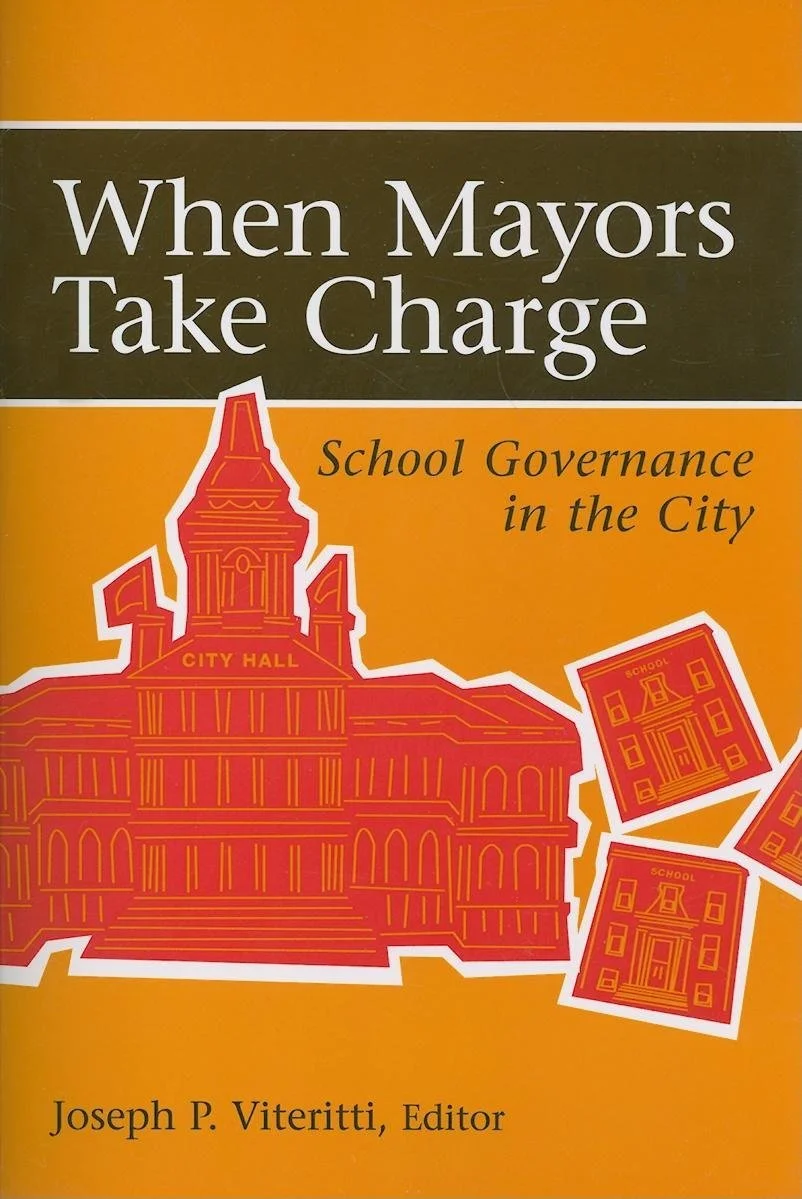
Large urban school systems have been the weakest link in American education, driving middle-class families into the suburbs while contributing mightily to the racial learning gap. Activist mayors in several major cities have responded by taking control of their public schools.
When Mayors Take Charge is the most up-to-date assessment available on this phenomenon. It brings together the topic’s leading experts to analyze the factors and people driving the trend, its achievements and shortcomings, its prospects for the future, and ways to improve it. Part One of the book assesses the results of mayoral control nationwide. The second section details the experience in three key cities: Boston and Chicago, the major prototypes for mayoral control, and Detroit, where mayoral control ended in disaster. The final section provides the first in-depth examination of New York City, where the law installing mayoral control sunsets in 2009.
Viteritti’s opening essay and postscript frame the analysis to shed light on the significance and limitations of governance reform. Contributors include Clara Hemphill (formerly NewYork Newsday), Jeffrey R. Henig (Columbia University), Michael Kirst (Stanford University), John Portz (Northeastern University), Diane Ravitch (NYU),Wilbur C. Rich (Wellesley College), Robert Schwartz (Harvard University), Dorothy Shipps (Baruch College), and Kenneth K.Wong (Brown University).
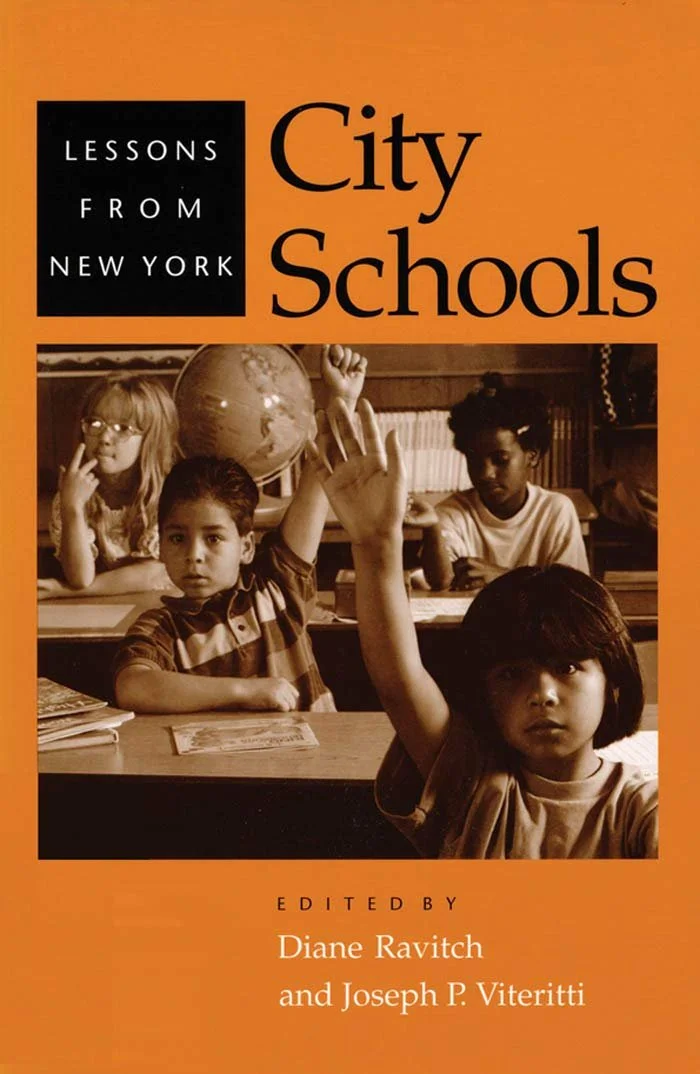
City Schools brings together a distinguished group of researchers and educators for an in-depth look at the nation's largest school system. Topics covered include the changing demographics of city schools, the impending teacher shortage, reading instruction, special education, bilingual education, school governance, charter schools, choice, school finance reform, and the role of teacher unions. City Schools also provides fresh and fascinating perspectives on Catholic schools, Jewish day schools, and historically black independent schools.
Diane Ravitch, Joseph P. Viteritti, and their coauthors explore pedagogical, institutional, and policy issues in an urban school system whose challenges are those of American urban education writ large. The authors conclude that we know a lot more about how to provide effective educational services for a diverse population of urban school children than performance data would suggest.